
Solutions for microphone problems on Zoom: How to fix common errors
In today's digital world, Zoom is one of the most popular tools for meetings, webinars, and online courses. But what happens if your microphone isn't working in Zoom? Don't worry, you're not alone. There are several reasons why Zoom might not recognize your microphone or why the audio quality might be poor. In this post, we'll show you how to fix these problems so you can be heard clearly and professionally in your next Zoom meeting.
1. Microphone is not selected in Zoom
One of the most common reasons why your microphone isn't working in Zoom is that the wrong microphone has been selected. Zoom can detect multiple microphones, and it's important that the correct device is chosen.
Solution: Select your microphone in the Zoom settings.
- Open Zoom and click on your profile picture in the upper right corner.
- Select Settings and go to Audio .
- Under Microphone , you should see a list of available microphones. Make sure the correct microphone is selected.
- Click on Test Microphone to check if it is working properly.
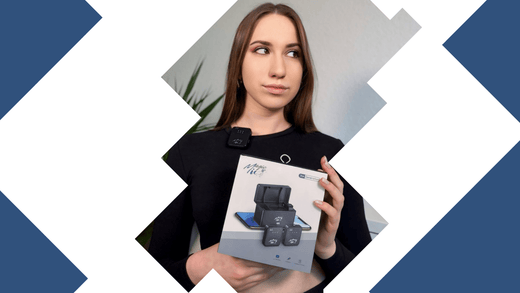
If you are using the MagicMic™ Wireless Microphone , which offers excellent audio quality for content creators, podcasters and business professionals, make sure that this microphone is listed and correctly selected.
2. Microphone permissions are not enabled.
Another common problem is that Zoom doesn't have permission to access your microphone. Especially on Windows 10 and 11, as well as macOS, microphone permissions may be disabled in the privacy settings.
Solution: Enable microphone permissions
- Go to your computer's privacy settings (on Windows under Settings > Privacy > Microphone ).
- Make sure that Zoom (and other relevant apps) have permission to access your microphone.
- Check within Zoom itself to see if the microphone is muted. You can recognize this by the microphone icon with a line through it. Click on it to activate it.
The MagicMic™ is known for being easily compatible with various devices and platforms and offering a stable connection that is automatically detected in Zoom.
3. The Zoom app is outdated.
Besides microphone settings, the problem could also be due to an outdated version of the Zoom app or outdated drivers for your audio device. Outdated software can cause your microphone to not be recognized or negatively impact audio quality.
Solution: Keep Zoom and drivers up to date
- Open Zoom and click on your profile picture.
- Select Check for Updates to ensure you are using the latest version of Zoom.
- Also check your device's audio drivers and update them if necessary. On Windows, you can do this in Device Manager .
- If you are using an external microphone such as the MagicMic™ Wireless Microphone , check that it has the latest firmware and that the drivers are up to date.
The MagicMic™ ensures that you always get the best performance with the latest software and firmware updates, so you can rely on crystal-clear audio quality in your Zoom meeting.
4. Interference from other programs
External programs that access your microphone can also cause problems. Programs like Skype, Teams, or Discord can block the connection to your microphone, leading to disruptions in Zoom.
Solution: Close other programs and restart Zoom.
- Make sure that no other apps or programs are accessing your microphone.
- Close all other programs that might be accessing the microphone at the same time, and restart Zoom.
- Then check if your microphone is now working correctly in Zoom.
The MagicMic™ wireless microphone uses Bluetooth or USB-C, depending on the model, and ensures no interference as long as it's properly connected to Zoom. You can also use the included headphones for real-time audio monitoring.
5. Problems with the internet connection
The stability of your internet connection plays a crucial role in the quality of your Zoom calls. A slow or unstable connection can negatively impact audio quality and microphone performance.
Solution: Check your internet connection
- Make sure you have a stable internet connection, ideally a wired connection, to avoid delays or connection drops.
- If you are using Wi-Fi, make sure you are close enough to the router and that no other programs are blocking the bandwidth.
For even better audio quality, it is recommended to use the MagicMic™ Wireless Microphone , which offers a stable Bluetooth connection and enables clear transmission even with a Wi-Fi connection.
Conclusion
If your microphone isn't working in Zoom, it's often due to Zoom settings, permissions, or technical issues. Check your microphone permissions, make sure the microphone is correctly selected in Zoom settings, and update your software and drivers. If needed, a high-quality microphone like the MagicMic™ Wireless Microphone can significantly improve audio quality and ensure a reliable connection, allowing you to enjoy Zoom meetings with clear, professional audio.